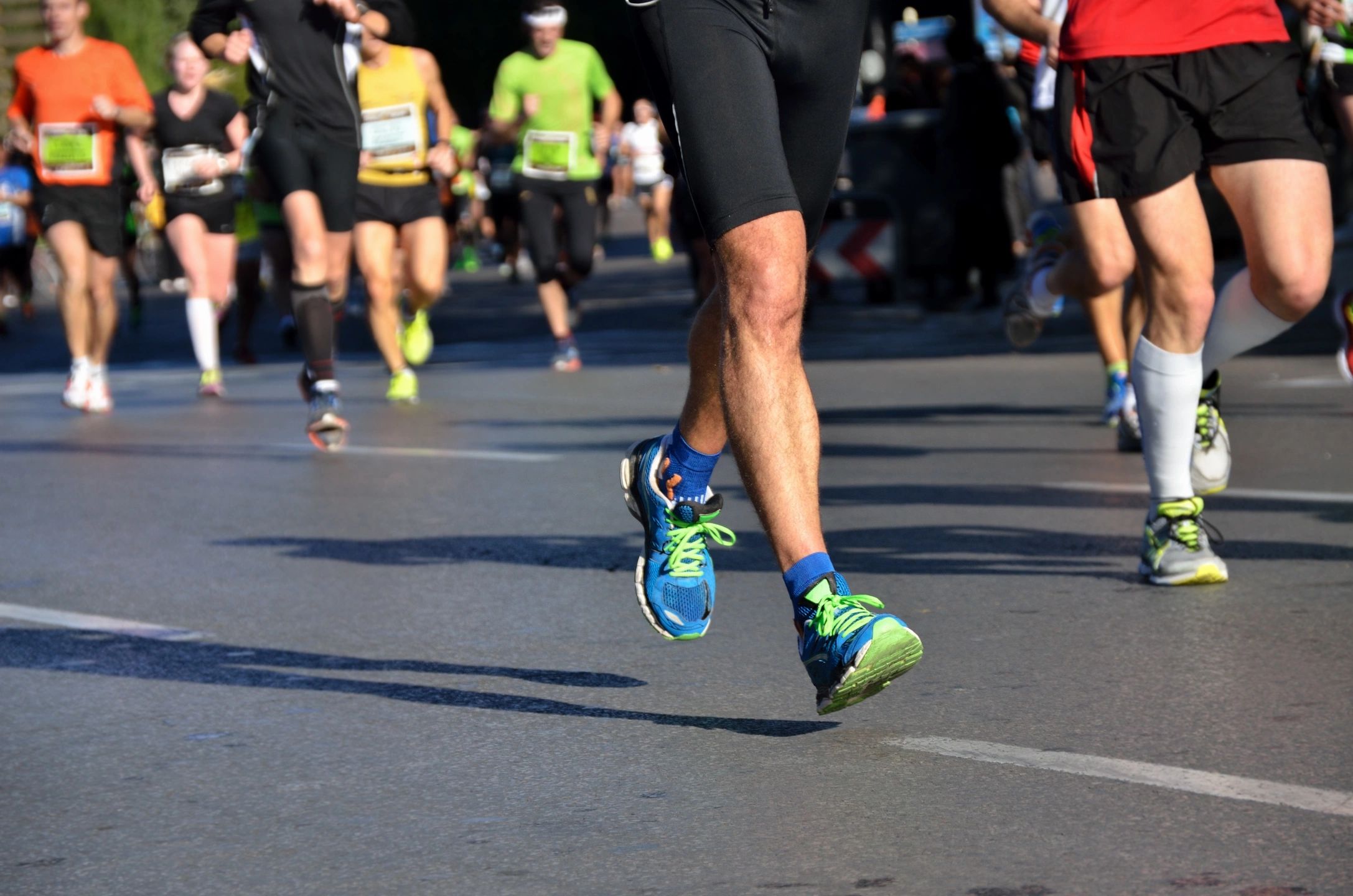
Runners know the grind—the miles, the aches, the pursuit of that perfect stride. All that pavement pounding can leave you vulnerable to fatigue and tight muscles. Pilates is a low-impact practice that targets your core, develops mobility and supports more efficient movement.
How Pilates can complement running
- Core strength and stability. Pilates strengthens the abdomen, back and hips, helping to stabilise the pelvis and support better stride control.
- Balanced strength. Thoughtful equipment work can address muscular imbalances and build the glutes, hamstrings and trunk.
- Mobility and range. Moving the hips, hamstrings and calves through controlled ranges can help a runner feel less restricted.
- Posture and alignment. Attention to the spine and pelvis supports an organised, efficient running position.
- Breathing and awareness. Pilates develops concentration and helps you notice how your body responds to effort.
- Whole-body coordination. The upper body, feet and ankles all contribute to a balanced stride; Pilates brings them into the same system.
- Active recovery. A lower-impact session can provide purposeful movement between demanding runs.
A useful part of the plan
Pilates is not only about flexibility or posture. Used alongside a sensible running programme, it can help you become a stronger, more aware and better-balanced athlete.
Happy running!